
Hunting in Vermont
Hunting in Vermont
Vermont offers a traditional New England hunting experience, with forested mountains, hardwood ridges, rural farmland, and quiet backcountry. The Green Mountains run through the state, providing varied habitat for big game, upland birds, and small game.
Whitetail deer are central to Vermont's hunting tradition. Hunters pursue deer across hardwood forests, agricultural edges, and mountain terrain, with opportunities varying by season, hunting method, and location. Autumn brings hunters into the woods during the fall foliage season, while the state's mix of public and private land makes understanding access rules an important part of planning a hunt.
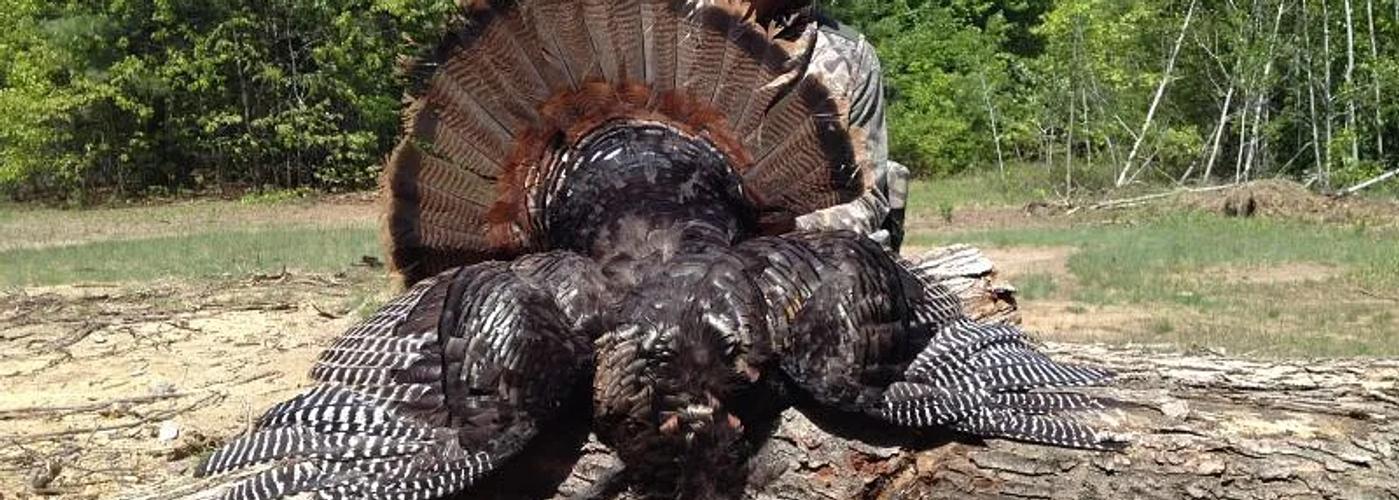
Black bear hunting is another notable Vermont opportunity. Bears inhabit extensive forested areas throughout the state, and hunting requires attention to season dates, legal methods, and current regulations. Wild turkey hunting is also popular, with spring and fall opportunities offering different challenges across Vermont's woodlands and agricultural country.
Upland hunters can pursue ruffed grouse and woodcock in suitable forest habitat, while waterfowl hunters find opportunities around lakes, rivers, ponds, and wetlands. Small-game hunting adds further options for hunters looking to spend time outdoors throughout the season.
Whether you're planning a Vermont whitetail hunt, pursuing black bear in the Green Mountains, or walking forest cover for grouse, Vermont offers a quieter, woodsmanship-focused hunting experience in the heart of New England.
Vermont Tags & Licenses
Vermont hunting licenses and permits are administered by the Vermont Fish and Wildlife Department. Hunters generally need a valid hunting license and any additional licenses, tags, or permits required for the species and season they plan to hunt.
Whitetail deer hunters must follow Vermont's season dates, bag limits, tagging requirements, and regulations for the applicable hunting method. Rules may differ between archery, youth, muzzleloader, and regular deer seasons, so hunters should confirm the requirements for their intended hunt.
Black bear hunters must follow specific season dates, legal methods, reporting requirements, and other bear-hunting regulations. Turkey hunters must obtain the appropriate license or tag and follow the applicable spring or fall season rules.
Upland bird and waterfowl hunters should review species-specific regulations, season dates, and bag limits. Migratory bird hunting may also require federal documentation, including a federal duck stamp for applicable waterfowl hunters.
Nonresident hunters can purchase eligible Vermont licenses and permits, although fees and requirements vary by species and hunting activity. Hunters planning a guided trip should confirm whether any licenses or tags are included in the hunt price or must be obtained separately.
Vermont's hunting regulations, license requirements, season dates, and bag limits can change from year to year. Hunters should review the current Vermont Fish and Wildlife Department regulations before booking a hunt or heading into the field.
Species You Can Hunt in Vermont


Know Before You Book
Transparent hunt details, honest reviews, and vetted outfitters mean you can make informed decisions without the usual back-and-forth.
Book with Confidence
Every hunt on Venku is reviewed and vetted before it goes live, with real hunter feedback, transparent details, and secure payment processing - so you can book knowing exactly what you're getting into.
Only Outfitters Worth Booking
Every outfitter on Venku goes through a vetting process to ensure they deliver safe, ethical, and high-quality hunts - no unknowns, no shortcuts.