
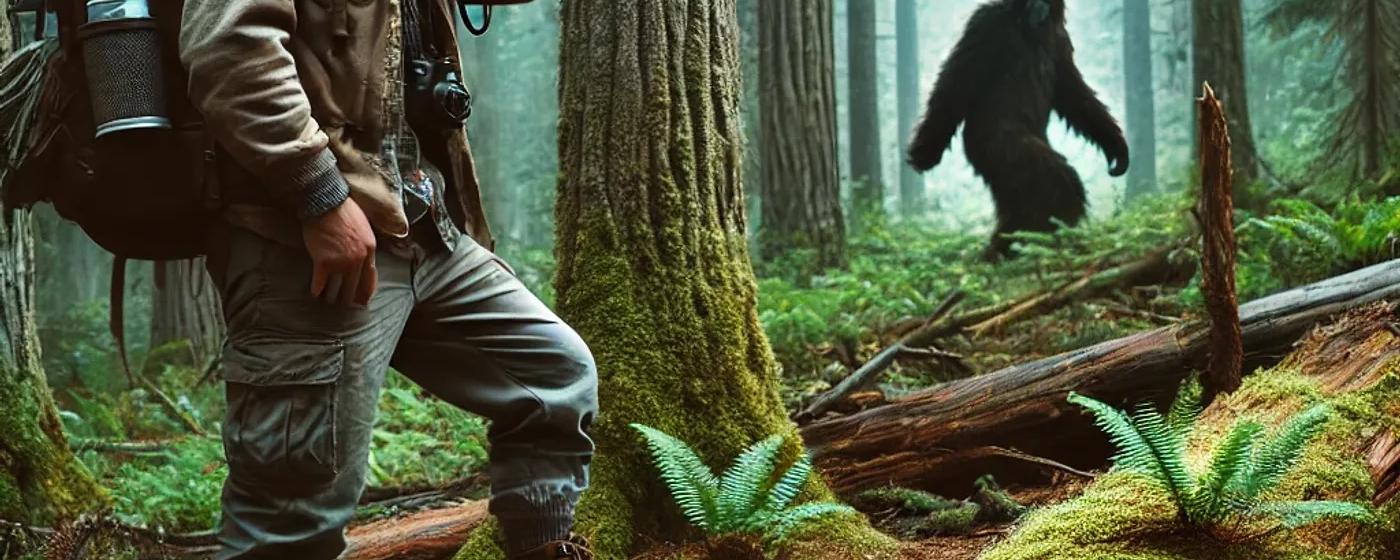
Hunt the Unknown: A Bigfoot Tracker’s Guide to the Wild
Deep Forests. Strange Signs. One Legendary Creature.
For generations, hunters, hikers, and backcountry explorers have shared stories of massive footprints, chilling howls in the night, and fleeting glimpses of something enormous moving between the trees. Bigfoot — also known as Sasquatch — remains one of the world’s greatest mysteries. To skeptics, it’s folklore. To believers, it’s a flesh-and-blood creature that has mastered the art of staying hidden in the most remote wilderness on Earth. Searching for Bigfoot is more than a hobby. It’s an adventure that combines wilderness survival, tracking skills, patience, and a deep respect for nature. Whether you’re following unexplained tracks through muddy creek bottoms, listening for wood knocks in the mountains after dark, or setting trail cameras deep in untouched timber, every expedition carries the thrill that the next ridge or valley could hold the evidence people have searched for over centuries. This guide is built for true believers and curious adventurers alike — the people willing to step off the trail, trust their instincts, and explore the places where legends refuse to die.
Book NowWhy Hunt Bigfoot?
People don’t search for Bigfoot because it’s easy — they do it because the possibility is impossible to ignore. The idea that a massive, intelligent creature could still roam remote forests untouched by modern civilization sparks something primal in adventurous people. For many believers, the hunt is about discovery, exploration, and proving that mysteries still exist in a world that feels increasingly mapped and explained. Every strange footprint, distant howl, broken tree structure, or unexplained encounter adds fuel to a question that has fascinated outdoorsmen for decades: what if the stories are true?
Bigfoot hunting also reconnects people with the wilderness in a way few other pursuits can. It demands patience, observation, and a willingness to venture deep into isolated country where most people never go. Even on nights when nothing appears beyond the campfire glow, the experience itself becomes part of the reward. The search for Sasquatch is ultimately a search for wonder — a reminder that the wild still holds secrets waiting to be uncovered.
Bigfoot Country: Understanding the Terrain
If Bigfoot exists, it survives in the places most people avoid — dense forests, steep mountain ranges, swampy lowlands, and vast stretches of wilderness where human activity is rare. The best Bigfoot habitat combines heavy cover, reliable water sources, abundant wildlife, and difficult terrain that naturally limits human access. Thick pine forests, moss-covered river valleys, remote logging roads, and rugged backcountry ridges are all considered prime Sasquatch territory by experienced researchers and eyewitnesses alike.
Many sightings occur near transitional areas where different types of terrain meet: deep timber bordering open meadows, creek bottoms cutting through hillsides, or isolated mountain basins rich with game. These environments provide food, shelter, and natural travel corridors while allowing a creature to remain hidden with ease. Successful Bigfoot hunters learn to read the landscape the same way traditional hunters track deer or elk — looking for signs of movement, secluded bedding areas, strange structures, unusual sounds, and places where something large could travel unseen through the wilderness.
Bigfoot Hunting FAQ
Is Bigfoot real?
Believers point to thousands of eyewitness reports, unexplained footprints, audio recordings, and strange encounters dating back generations. While mainstream science has not officially confirmed Bigfoot’s existence, many researchers argue that the consistency of sightings across different regions suggests there may be more to the legend than folklore.
Where is Bigfoot most commonly seen?
Bigfoot sightings are most frequently reported in heavily forested regions such as the Pacific Northwest, the Appalachian Mountains, parts of Canada, and remote wilderness areas throughout the United States. Dense forests with abundant wildlife and limited human activity are considered ideal habitat.
What time of day is best for searching for Bigfoot?
Many researchers believe dawn, dusk, and nighttime offer the best chances for activity. Reports often describe vocalizations, movement, and strange sounds occurring after sunset when forests become quieter and human presence decreases.
What signs should I look for while hunting Bigfoot?
Commonly reported signs include oversized footprints, broken tree structures, unusual vocalizations, wood knocks, strange odors, and large tracks near streams or muddy terrain. Experienced trackers also pay attention to areas where wildlife suddenly becomes silent or agitated.
Are Bigfoot sightings dangerous?
Most reported encounters describe Bigfoot as elusive rather than aggressive. However, searching remote wilderness always carries risks including rough terrain, wildlife, weather, and getting lost. Proper preparation and wilderness safety are essential for any expedition.
What gear should I bring on a Bigfoot expedition?
Essential gear includes durable hiking boots, weatherproof clothing, flashlights, trail cameras, GPS equipment, survival supplies, food, water, and extra batteries. Many enthusiasts also carry audio recording devices and binoculars for documenting potential evidence.
Why are there no clear photos of Bigfoot?
Believers argue that Bigfoot likely inhabits extremely remote terrain and actively avoids humans. Most encounters happen unexpectedly, often in poor lighting or at long distances, making clear photographs difficult to capture in high-stress situations.
Do hunters and outdoorsmen report Bigfoot encounters?
Yes. Many sightings come from experienced hunters, loggers, campers, and backcountry guides — people already familiar with wildlife and wilderness behavior. These witnesses often describe seeing something they insist did not resemble any known animal.
Can Bigfoot migrate?
Researchers believe that if Bigfoot exists, it likely travels across large wilderness corridors following food sources, water, seasonal game movement, and weather patterns. Mountain ranges and forest systems may allow creatures to roam across multiple states or regions unnoticed.
Why do people become passionate about Bigfoot hunting?
For many people, the search represents adventure, mystery, and the possibility that the natural world still contains undiscovered secrets. Bigfoot hunting combines exploration, survival skills, storytelling, and a sense of wonder that keeps enthusiasts returning to the wilderness year after year.
Top 5 Bigfoot Hunts Every True Believer Should Experience
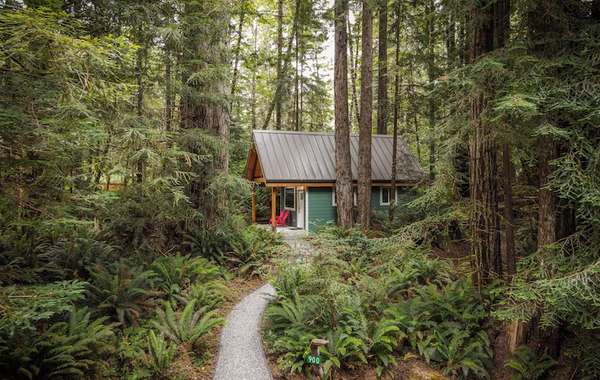
Siskiyou National Forest
Join a once-in-a-lifetime adventure in the heart of Bigfoot territory! Set off into the mystical forests of the Siskiyou Mountains, where dense forests, rugged terrain, and countless mysterious sightings have sparked generations of Bigfoot lore. Guided by experienced wilderness experts, you'll learn tracking techniques, survival skills, and Bigfoot-hunting tips—all while immersed in the pristine beauty of one of Oregon’s most remote and enigmatic landscapes.
Hunt Style
Spot and Stalk
Only Outfitters Worth Booking
Every outfitter on Venku goes through a vetting process to ensure they deliver safe, ethical, and high-quality hunts - no unknowns, no shortcuts.
Book with Confidence
Every hunt on Venku is reviewed and vetted before it goes live, with real hunter feedback, transparent details, and secure payment processing - so you can book knowing exactly what you're getting into.
Know Before You Book
Transparent hunt details, honest reviews, and vetted outfitters mean you can make informed decisions without the usual back-and-forth.